Your cat died at home. What to do next.
Start with the first hour. You can make the other decisions after you have sat with your cat.
The first hour: check, then move your cat somewhere cool
You can sit with your cat first. If you are not sure they have died, look for breathing and feel for a heartbeat on the left side of the chest, behind the front leg. If you are still unsure, call your vet or an emergency vet now. If the death was sudden and another pet may have reached the same poison, medication, or food, call an emergency vet about the living pet immediately.
- Move the body gently. Put a towel or absorbent pad under your cat and place them in a box or carrier. Their bladder or bowel may empty after death; this is normal. If you can, tuck their legs in before the body stiffens. Take off and keep the collar if you want it back.
- Keep the body cool and protected. Choose the coolest room you have, out of sun, with a door that keeps pets and wildlife away. Place sealed ice packs wrapped in a towel around the body and replace them as they thaw. If you need more time, ask your vet or a pet crematory about refrigerated storage. A cool room buys some time; it is not long-term storage, especially in hot weather.
- Give other pets a choice. If there is no suspected infectious disease or poisoning, you can let a housemate cat approach and sniff the body while you stay nearby. Do not force them. If you suspect a shared hazard or illness, keep them apart and ask the vet.
- Tell children plainly. You can say, “Mittens died today. Her body stopped working, and she cannot come back.” Let them see her or say goodbye if they want to; do not make them. Avoid “put to sleep,” which young children can take literally.
The next six hours: call the vet and ask about aftercare
Call your usual vet when they open, or an emergency vet sooner if you are uncertain about the death, worried about another pet, or cannot keep the body cool. Say: “My cat died at home. Can you hold the body in cold storage, and what are my aftercare options and prices?” Ask whether you can bring your cat in, and whether the clinic arranges pickup or you need to transport them.
You can also call a pet crematory directly. Ask whether it accepts a body from home, when it can take your cat, and whether pickup costs extra. You do not have to decide on an urn tonight. If you want a paw print or a clipping of fur, ask before the body is transferred.
If your cat died unexpectedly and you want to know why, ask the vet about a postmortem exam before arranging cremation or burial. It may matter especially if another pet could be at risk.
The next 24 hours: choose cremation or burial
Arrange aftercare as soon as you can, especially if you do not have refrigerated storage. If you need longer, ask the vet or crematory to hold the body while you decide.
Cremation
Your vet can arrange it, or you can deal directly with a pet crematory. Ask whether the quote includes transport, a container, and return of ashes. Communal cremation does not return your cat’s individual ashes. If you want them back, ask for private cremation and have that written on the invoice. Cats are often quoted around $100–$300 for private cremation, but local prices and extras vary. Seepet cremation costs and the questions to askbefore you pay.
Home burial
Check the rule before you dig. Many cities restrict home pet burial, and some prohibit it outright. Your state may allow it while your municipality does not. For example,Longmont, Colorado prohibits backyard pet burial within city limits. Call your city or county animal control or health department and ask whether burial is allowed at your address, how deep the grave must be, and how far it must be from wells or water. If you rent, also ask your landlord. A pet cemetery is another burial option if home burial is unavailable.
If your cat was euthanized, tell the vet before choosing burial. Euthanasia drugs can remain in the body and poison an animal that digs it up. TheU.S. Fish and Wildlife Service warns about this risk. Cremation removes that scavenger risk. If burial is permitted and you still choose it, follow your local depth and site rules and make sure no animal can reach the body. Never leave it exposed outdoors.
If you choose private cremation, the ashes can wait
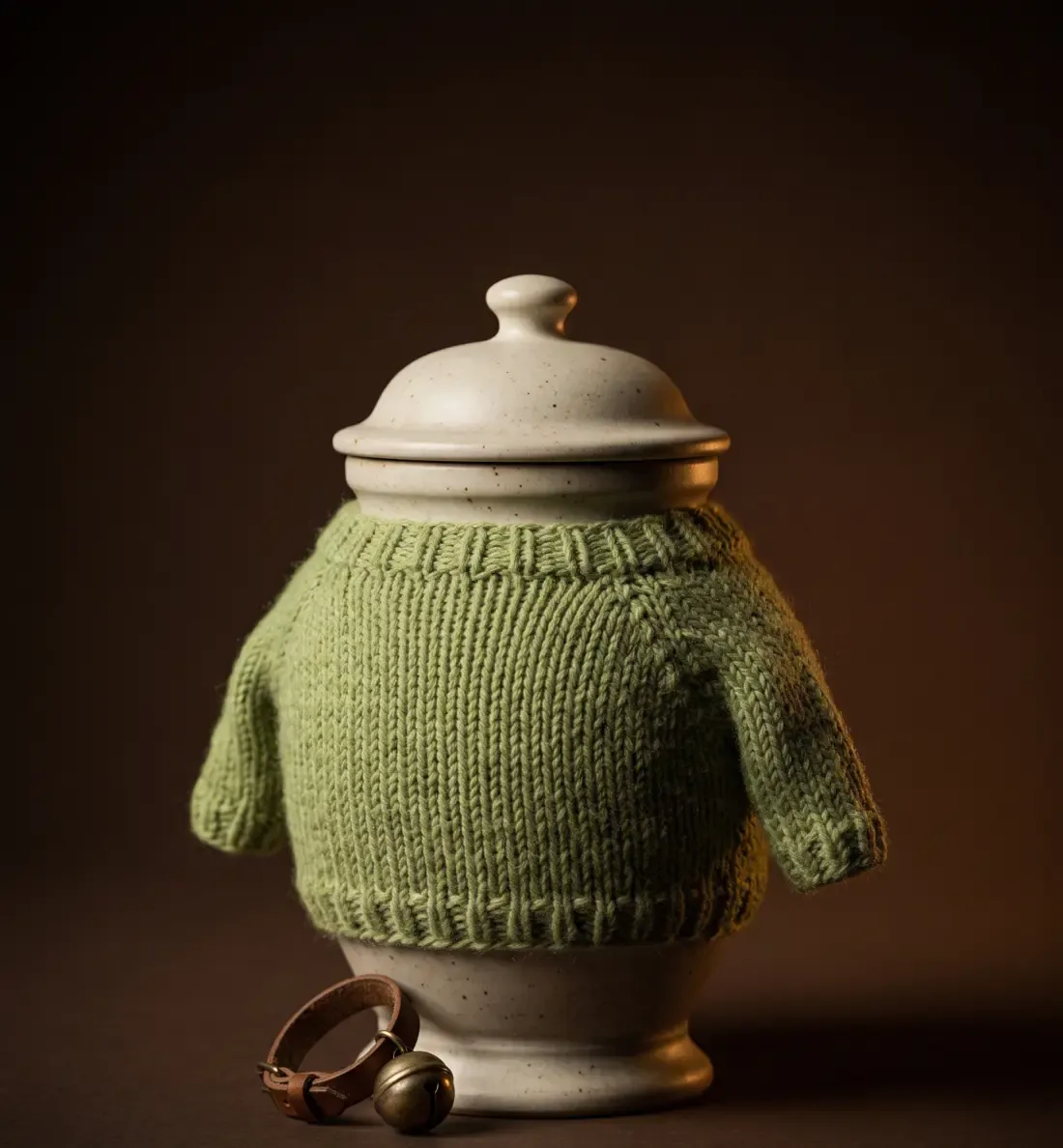
You can keep the ashes in the container they arrive in. There is no deadline to buy an urn, scatter them, or make a memorial. When you are ready, here arethe options for your cat’s ashes, andhow much ash to expect and what size urn it needs.
For you, too
Your cat died. You may be crying, numb, angry, or unable to make a phone call. None of that means you are doing this wrong. Ask someone to sit with you or make the call with you. The decisions about the body are real, but they do not measure how much you loved your cat. If you need a person who understands pet grief, start with these support lines.